Injection-Molded Shoes, Explained: How One-Piece Shoes Are Made
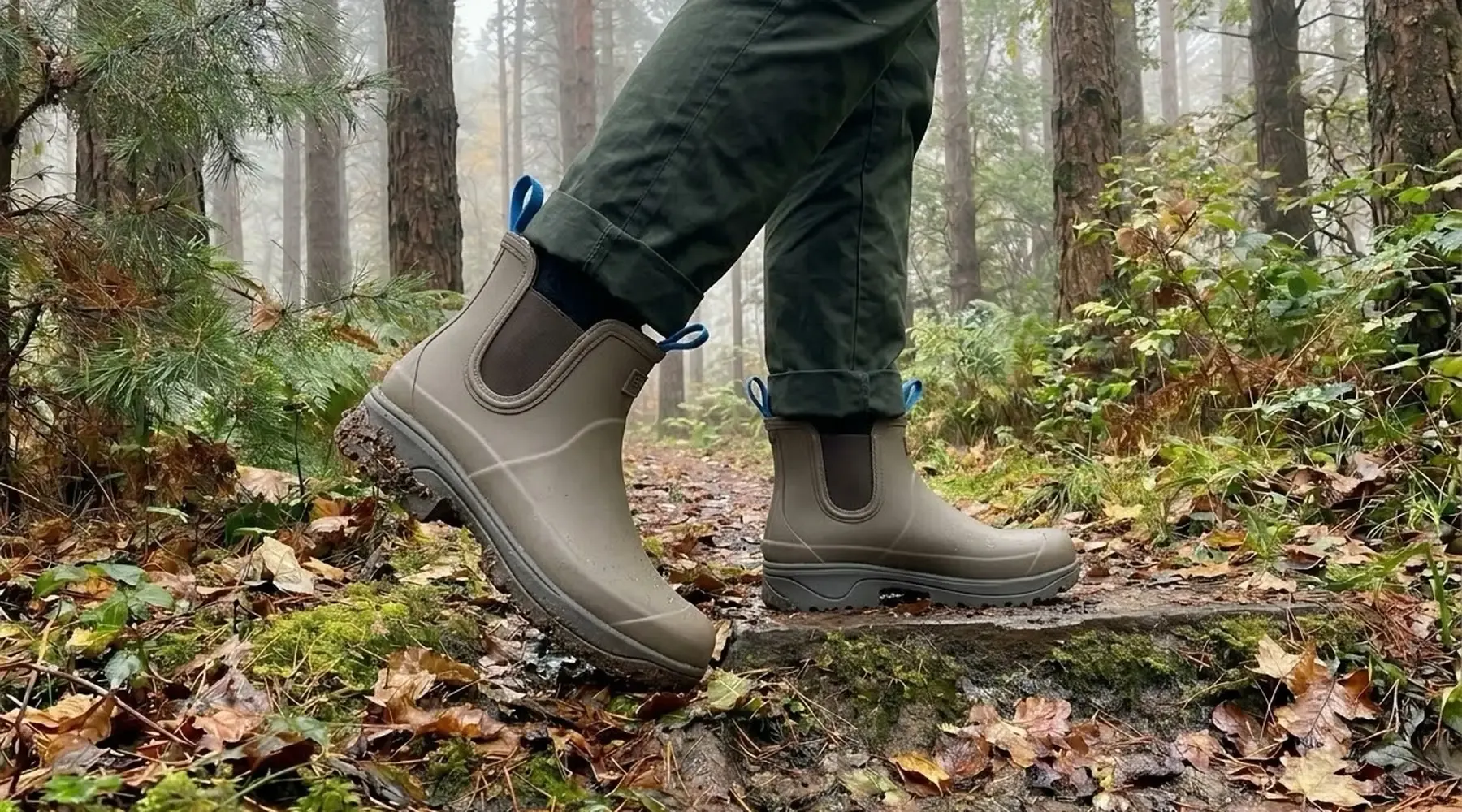
Injection-molded shoes are made in one piece: material is injected into a mold, cooled, and released as a finished shoe body. There is no stitching an upper to a sole, because upper and sole come out of the same process. That is why this category is light, easy to clean, and water-friendly — and why it suits garden shoes, clogs, sandals, and slides for beach, poolside, and daily wear.
The mold is the whole product, in a sense. Get the mold right and every pair repeats it; get it wrong and every pair repeats the mistake. This is where making our own molds matters: our Solemakers workshop develops the mold in-house, so a shape, thickness, or color change does not mean starting over with a new supplier. Custom colors are available by market, and the mold stays with us for your reorders.
Compared with traditionally constructed shoes, injection-molded shoes trade some things away — they are not the choice for a structured leather shoe or a high-performance runner. What they give back is consistency at volume, simple care for the end customer, and a price point that works for seasonal and promotional programs.
For distributors, the practical points are these: first-order MOQ 1,000 pairs, 600 on repeat orders; ex-factory pricing by material and specification; private label and custom packaging available. Send us your target colors and sizes, or a reference sample, and we will work from that.